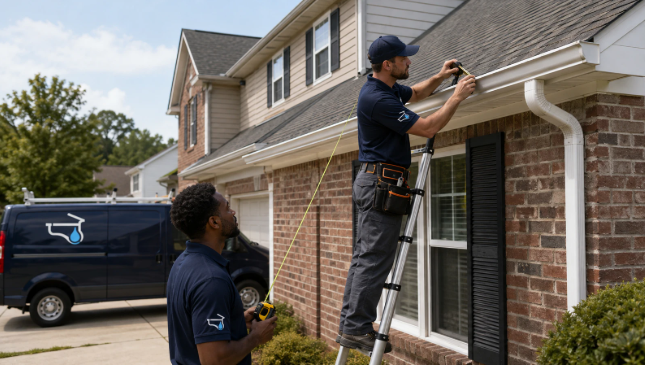
Metro Atlanta homes experience a wide range of weather throughout the year. Heavy rain, strong storms, humidity, falling leaves, hot sun, and occasional wind events can all place stress on a roofing system. Most homeowners do not think about the roof until a leak appears, but waiting for visible damage can turn a small maintenance issue into an expensive repair.
A regular inspection and gutter-care routine can help homeowners identify problems earlier. Property owners looking for local guidance can explore Classic Roofing & Gutters, a Georgia roofing company serving residential and commercial customers. Whether a home needs a new roof, repair, maintenance, or gutter work, a professional evaluation can help clarify the condition of the complete system.
Start with seasonal inspections
A roof should be checked at least periodically and after significant storms. Homeowners can inspect safely from the ground with binoculars, looking for missing or damaged shingles, exposed underlayment, sagging areas, loose flashing, dark marks, or visible debris. Do not climb onto a roof if you are not trained and equipped to do so. A professional inspection is safer and can identify conditions that are not visible from the yard.
Spring is a useful time to look for damage caused by winter weather, while late summer and fall inspections can prepare the property for heavy rain and leaf buildup. After a major storm, check the attic and upper ceilings for water stains, damp insulation, musty odors, or daylight entering through the roof deck. These signs deserve prompt attention even if the interior leak seems small.
See also: What Changed for TruLife Distribution After the 2022 Lawsuit Came Out
Keep gutters clear and properly aligned
Gutters guide rainwater away from the roof edge, walls, foundation, windows, and landscaping. When leaves, pine needles, nests, or other debris block the channel, water may overflow against the fascia or collect near the foundation. Over time, this can contribute to rot, staining, erosion, basement moisture, or damage to the home’s exterior.
Clean gutters at suitable intervals, especially after trees lose leaves or severe weather passes. During the inspection, look for sections that pull away from the roofline, standing water, rust, cracks, loose fasteners, and separated joints. Downspouts should discharge water far enough away from the foundation and remain free of blockages.
Gutter guards can reduce the amount of debris entering the system, but they do not eliminate the need for inspection. Leaves can accumulate on top of guards, and small particles may still pass through. The correct solution depends on the roof design, nearby trees, gutter type, and maintenance expectations.
Pay attention to flashing and roof penetrations
Many roof leaks begin around areas where the surface is interrupted. Flashing protects joints and transitions near chimneys, vents, skylights, walls, and other penetrations. If flashing is loose, cracked, corroded, or improperly sealed, water may enter beneath the roofing material even when the shingles appear intact.
Roof penetrations should be checked during professional maintenance. Sealants can shrink or fail over time, and previous repairs may not have addressed the underlying issue. Replacing a small section of damaged flashing may be more practical than waiting until moisture affects insulation, drywall, framing, or electrical components.
Watch for ventilation and moisture problems
A roof is part of a larger building system. Attic ventilation and insulation influence temperature, humidity, energy use, and the durability of roofing materials. Poor airflow can allow moisture to accumulate in the attic, leading to condensation, mold, wood deterioration, or inefficient heating and cooling.
Warning signs may include damp insulation, peeling paint on upper ceilings, unusually high attic temperatures, or a persistent musty smell. Improving ventilation is not always as simple as adding a vent; intake and exhaust need to work together, and openings should not allow rain or pests to enter. A professional should evaluate the attic before any changes are made.
Know when repair may not be enough
Some roofing issues can be addressed with targeted repairs, while widespread aging, repeated leaks, storm damage, or structural deterioration may indicate that replacement is more appropriate. Homeowners should ask for a clear explanation of what has failed, how extensive the problem is, and how long a repair is expected to last.
When comparing replacement proposals, look beyond the total price. Review the material type, underlayment, flashing, ventilation, workmanship, cleanup, warranty terms, and expected schedule. A written proposal should identify what is included and whether additional work may be needed if hidden damage is discovered.
Choose materials for the local climate
Roofing materials differ in appearance, cost, durability, maintenance requirements, and resistance to weather. The best option depends on the home’s design, slope, budget, neighborhood requirements, and the homeowner’s long-term plans. Professional installers can explain how different materials perform in heat, heavy rainfall, wind, and changing humidity.
Color and style matter as well, but performance should come first. A roof that looks attractive but is poorly installed or unsuitable for the structure will not provide good value. Proper installation details, ventilation, flashing, and drainage are just as important as the visible surface.
Keep a maintenance record
Save inspection reports, repair invoices, photographs, warranty information, material details, and dates of gutter cleaning. A record helps homeowners understand how the roof has changed and can be useful when planning repairs, filing an insurance claim, or selling the property.
Protect the home before problems grow
Roof and gutter maintenance is a practical investment in the rest of the property. Regular inspections, clear drainage paths, trimmed branches, healthy attic ventilation, and timely repairs can reduce the risk of water intrusion and unexpected disruption. Metro Atlanta homeowners do not need to wait for a ceiling stain to begin paying attention.
By scheduling professional evaluations when needed and keeping basic maintenance on a seasonal calendar, property owners can make better decisions about repair, replacement, and long-term care. A well-maintained roofing and gutter system helps protect the home through the region’s changing weather and supports greater peace of mind year-round.